- August 18, 2025
- 2:39 pm
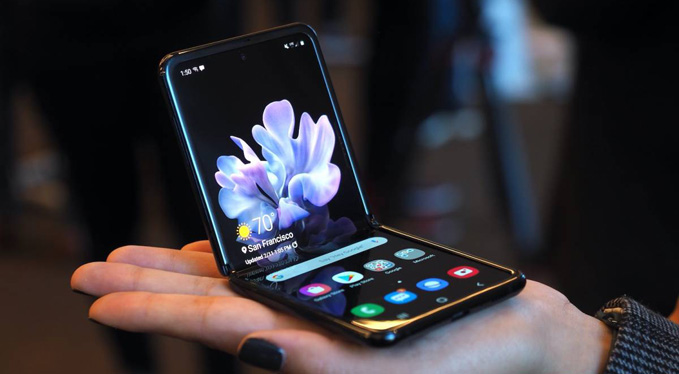
Just like life, technology has always had a way of coming full circle. Decades
ago, we loved our flip phones—compact, pocket-friendly, and just fun to snap a
picture. Fast forward to today, and we see history repeating itself, but with a futuristic
twist—foldable gadgets. From smartphones and tablets to laptops, foldable devices
are making waves in the tech world. But the big question remains: Are they worth
investing in?
Let’s dive into this segment, practicality, and analyse the future of these
innovative devices.
The Evolution of Foldable Technology
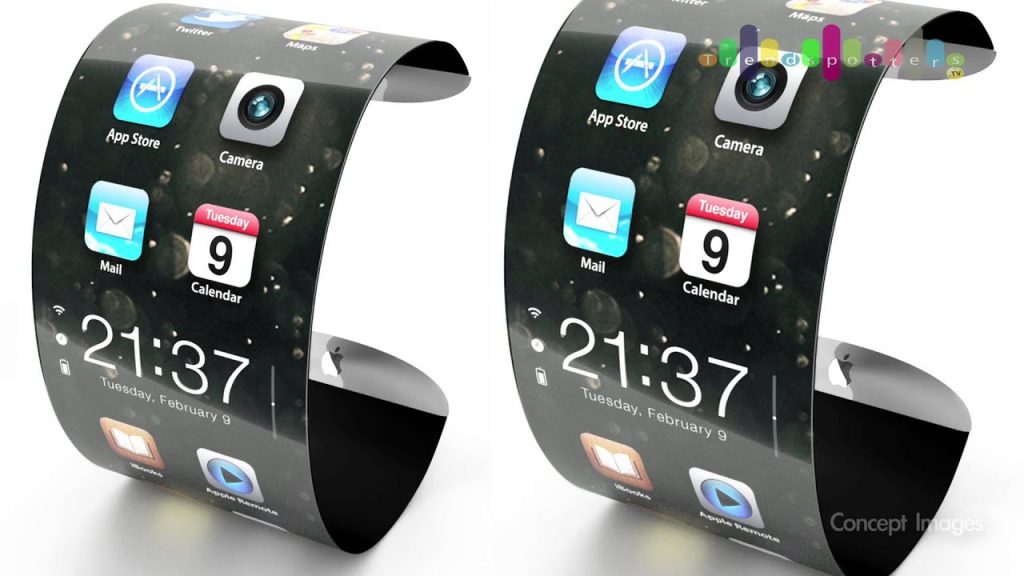
For years, smartphones followed the same standard—a sleek rectangle with a
touch screen. While design variations came and went, the overall template
remained largely unchanged. Enter foldable technology, which broke the
monotony by offering something different: larger screens that can fold into
compact sizes.
Samsung’s Galaxy Z series, Huawei’s Mate X, and more recently, foldable laptops
from brands like Lenovo and ASUS, show that major tech players see foldables as
more than just a passing trend. What began as an experiment is quickly becoming
mainstream.
Thanks to advancements in flexible OLED displays, durable hinge mechanisms, and
improved scratch resistance, foldables have become far more refined than their
early prototypes. But being innovative doesn’t always guarantee mass adoption—
especially when price, durability, and usability come into play.
Why Foldable Gadgets Are Popular Right Now
The foldable gadgets are popular because of the following reasons: -
1) Bigger Screens, Compact Sizes
Imagine carrying a phone that fits in your pocket but unfolds into a mini tablet.
That’s the promise of foldable phones. Whether you’re streaming movies, browsing,
or multitasking, the bigger screen makes a real difference.
2) Multitasking Made Easier
Foldable smartphones generally support split-screen functionality, letting you
run multiple apps side by side. It’s perfect for professionals who need productivity on
the move.
3) Innovation Appeal
Let’s be realistic—many people buy a foldable smartphone simply for the
“wow factor.” Foldables look futuristic, stylish, and distinct from traditional phones
that all look like the same. Owning one feels like having the next-gen gadget before
everyone else.
4) Enthusiasm for new technology
Many people are technology enthusiast. For them, foldables represent one
of the few truly different technology innovations in a smartphone industry that often
feels stagnant.
But Are Foldable Gadgets Practical?
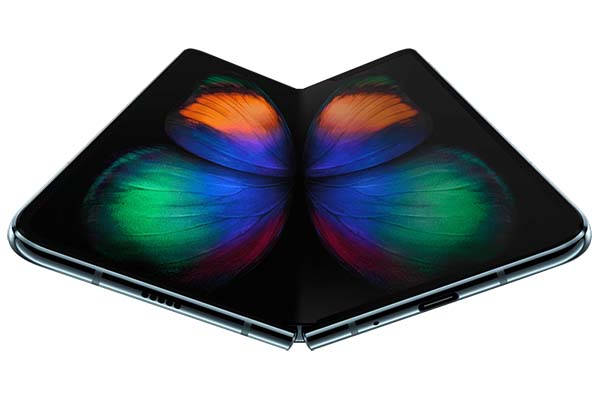
This is where the conversation gets interesting. While foldables sound
amazing, they come with their fair share of challenges.
1. Durability Concerns
Even though companies are marketing their foldables as tough, many
consumers still worry about the hinge lifespan and the fragility of foldable screens.
Unlike traditional Gorilla Glass-protected displays, foldables use ultra-thin glass or
polymer, which can have visible scratch marks or crease.
2. Price Tag
Currently, most foldable devices cost a premium—often double the price of a
standard flagship smartphone. For many consumers, the question becomes: Is an
innovative design worth spending $1,500 or more?
3. Expensive Repairs
The high cost of repairs further adds to the financial burden of owning a
foldable phone.
4. Battery Life Issues
A larger, foldable display consumes more power. While some models manage
well with dual-battery systems, battery efficiency is still a concern, especially for
heavy users.
5. App Optimization
Though companies like Google and Samsung are working with developers, not
all apps are optimized for foldable screens yet. This means you might experience
buggy layouts, stretched images, or inconsistent UI experiences.
Are Foldables Just a Luxury, or the Future of Tech?
That depends on how you use your devices. For tech enthusiasts, content
creators, or professionals, foldables can be game-changers. Imagine editing a video
on a larger display without carrying a tablet around, or reviewing documents on the
go with a foldable laptop.
But for the average user, a foldable phone may feel like an unnecessary luxury.
For day-to-day activities—scrolling social media, texting, making calls, streaming
Netflix—standard smartphones already do the job perfectly, at a lower price.
The Rise of Foldable Laptops and Tablets
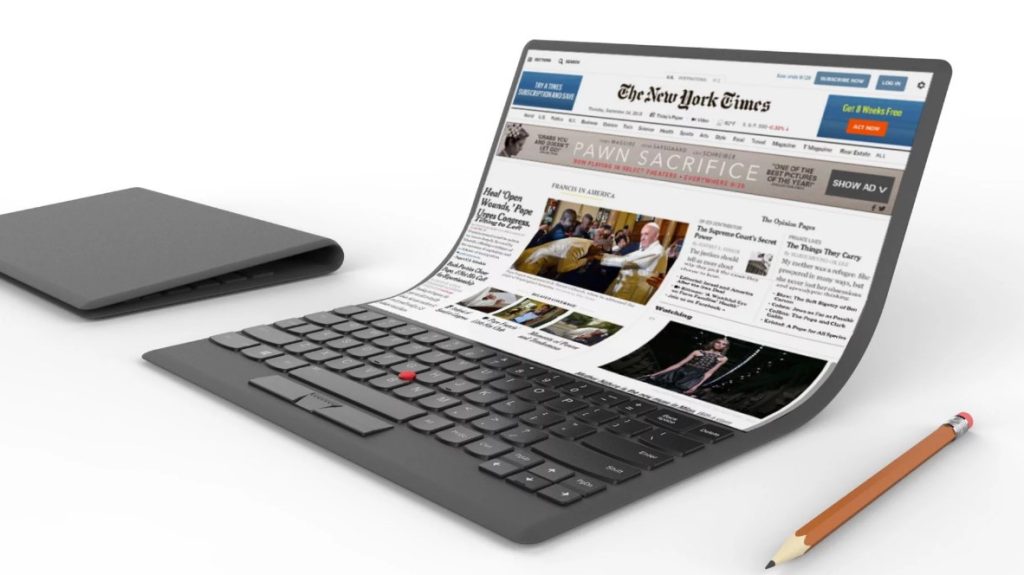
It’s not just phones turning foldable. Brands like Lenovo, ASUS, and HP have
already introduced foldable laptops, which transform from tablet-sized touchscreens
to full-blown portable PCs with detachable keyboards. These hybrid devices are
pushing the concept beyond entertainment into serious productivity and work tools.
For digital artists, business travellers, and multitaskers, the foldable form
can save time, space, and hassle. If laptops follow the same trajectory as
smartphones, we might see a future where foldables become the new normal in
computing.
Who Should Buy a Foldable Device?
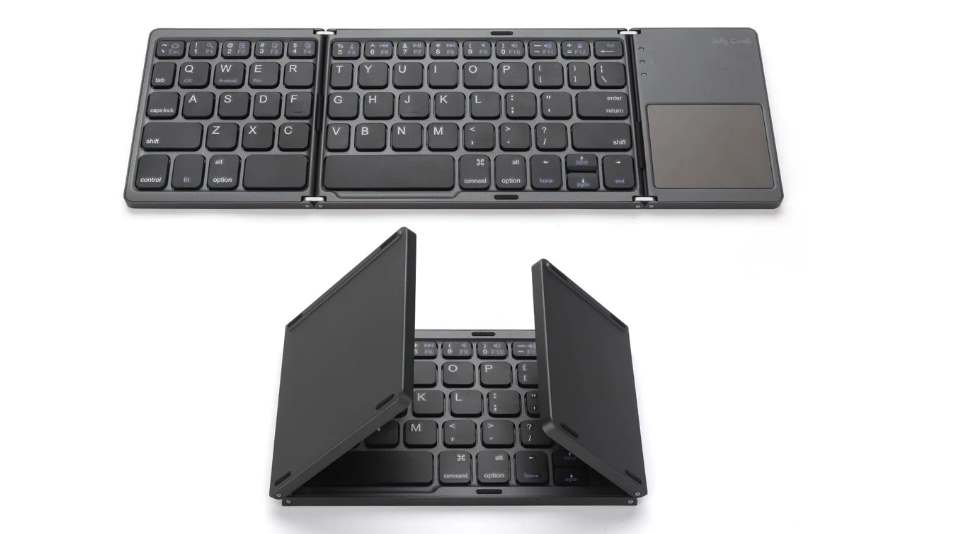
Early Adopters: If you’re excited about being at the cutting edge of
technology, foldables are definitely worth trying.
Professionals: Business users who work on the go can benefit from the added
screen real estate.
Media Lovers: Watching Netflix, gaming, or reading eBooks feels more
immersive on foldable displays.
Tech Style Seekers: Foldables also double as a status symbol—for those who
love sleek gadgets that turn heads.
The Future of Foldables
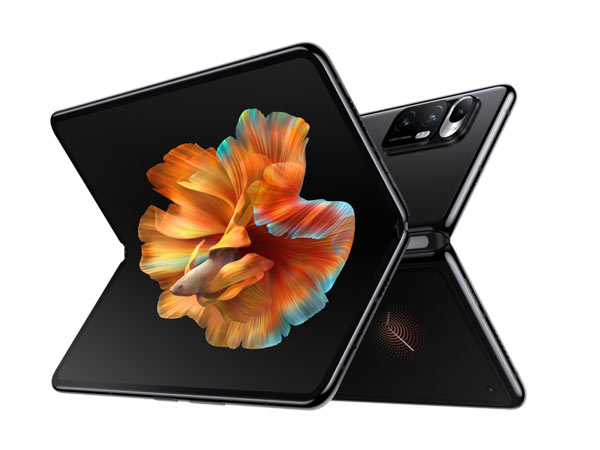
Foldable gadgets are still evolving, but their potential is enormous. As costs
decrease, hinges get tougher, and software gets optimized, foldables may transition
from niche luxury items to mainstream must-haves.
Imagine a future where one device works as your phone, tablet, and even
laptop—foldable tech could eliminate the need for multiple gadgets altogether.
Combine this with AR glasses and wearable devices, and we may be looking at a
new chapter of truly convergent technology.
Final Verdict: Are Foldable Gadgets Worth It?

The answer boils down to your priorities.
Yes, they’re worth it if you want innovation, enjoy cutting-edge design, and
are willing to pay a premium for extra productivity and style.
Not yet worth it if you’re cost-conscious, worried about durability, or mainly use
your device for basic tasks.
Foldables represent the most exciting shift in gadget design in over a decade.
Whether they become indispensable or remain a niche luxury will depend on how
quickly the industry solves current challenges—and how ready consumers are to
embrace the foldable future.
Feature Post
Popular Post
Browse Category