- August 25, 2025
- 10:21 pm

Meditation is a mental practice that involves training our mind to concentrate,
control, and focus our attention on our goals.
You know you "should" meditate. You know about the benefits—better control
of your mind and thinking, better focus, more inner calm and peace. But when you
try to sit down and "clear your mind," it feels terrible. Your to-do list screams
louder. Your back aches. You wonder if you’ll ever do it right. After two frustrating
minutes, you decide it’s not your cup of tea and grab your phone instead.
This is the tale of almost every single beginner, and it’s why most people quit.
The problem isn't you; it’s the misconception that meditation is about stopping your
thoughts.
Let’s reformulate that right now. Mindfulness meditation isn’t about emptying
your mind; it’s about controlling your thoughts and attention and becoming familiar
with the patterns of your mind, without getting swept away by them.
Think of it not as an on/off switch for your thoughts, but as a switch for your
reaction to them. This blog will provide you with a practical, no-exception path to
make it work.
The Science-Backed Benefits You Can Actually Feel
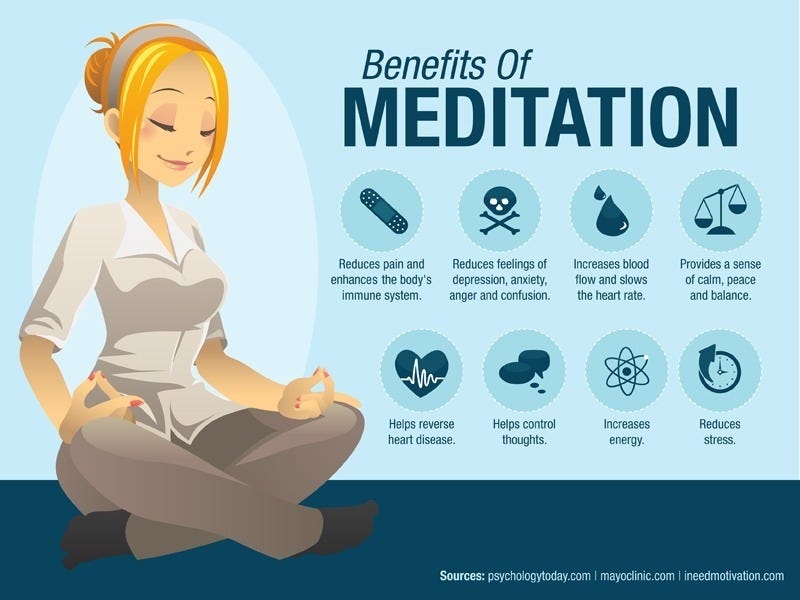
Meditation is not a spiritual terminology; it’s proven science. Regular
mindfulness meditation practice physically changes your brain (a concept known as
neuroplasticity) and impacts your body. Here’s what the results can be:
1) Reduced Stress & Anxiety: It lowers cortisol (the stress hormone) and controls
the activity of the amygdala, the brain's alarm system.
2) Improves Focus: In a world of endless distractions, it’s a workout for your "attention
muscle," helping you stay on task.
3)Manages Response: It creates a crucial break between a triggering event and
your reaction, allowing you to respond more thoughtfully instead of exploding or
crumbling.
4)Boosts Self-Awareness: You become an observer of your own mind. You can
control negative thought patterns before they control you.
Your First 5-Minute of Mindfulness Practice
Forget hour-long sittings. Start so small that it feels easy. Consistency is
much more important than duration.
What You’ll Need: A quiet place, a timer, and a chair or cushion. That’s it.
The Practice: Anchoring on the Breath
Sit comfortably in a chair with your back straight but not stiff, feet flat on the
floor. Your hands can rest on your knees. Set a gentle timer for 5 minutes. Close your
eyes or leave them slightly open with a soft gaze. Take two or three deep breaths
naturally without trying to force or control them.
Pay attention to the physical sensations of your breath, such as the coolness of
the air as you inhale, and warmth as you exhale, or the rise and fall of your chest
and abdomen.
Acknowledge Wandering: Within seconds, your mind will wander. You’ll start
thinking about work, a conversation, and what to make for dinner. This is not failure.
This is a natural part of meditation practice.
Just Watch: The moment you realize your mind has wandered, gently and
kindly note them, like watching clouds pass by. Simply guide your attention back to
the sensation of the breath. That act of noticing and returning—without judgment—
builds your mindfulness muscle.
Rinse and Repeat: Your mind will wander 100 times. Your job is to gently guide
it back 100 times. That’s it.
Finish with Kindness: When the timer rings, don’t jump up. Take a moment to
notice how your body feels. Listen for sounds in your environment without judging
them. Notice the space in the room. Gently open your eyes. Take a moment to
notice your surroundings and understand how your body feels
Common Beginner Mistakes and tips to Avoid Them

1) Trying to "Stop Thoughts": This is the biggest mistake. Understand that
meditation is not about stopping thoughts, but about noticing them. Thoughts are
like cars driving past your house. You don’t have to run outside and stop each car;
you can just watch them from the window. Let thoughts come and go.
2)Getting Frustrated with "A Bad Session": There is no such thing. A session
where you spent 5 minutes noticing your mind wander and gently bringing it back is
actually a fantastic session. You were doing the right thing. Every session brings
benefits.
3) Don’t expect a perfect environment: Don’t wait for a silent house or silent
surroundings, or a stress-free life. The perfect time is now, even if it’s chaotic.
Meditating when you’re stressed is like learning to swim when you’re in the water.
Bring meditation into daily life.

The real magic happens when you bring this skill into daily life. Let us take two
examples: -
Mindful Tea: When drinking your morning tea, just drink the tea. Feel
the warmth of the mug. Smell the aroma. Taste the bitterness. When your mind
wanders to the day ahead, gently come back to the sip.
Mindful Walking: Feel your feet connecting with the ground with each step.
Feel the hardness of the ground. Notice the air on your skin.
The STOP Method: When feeling overwhelmed:
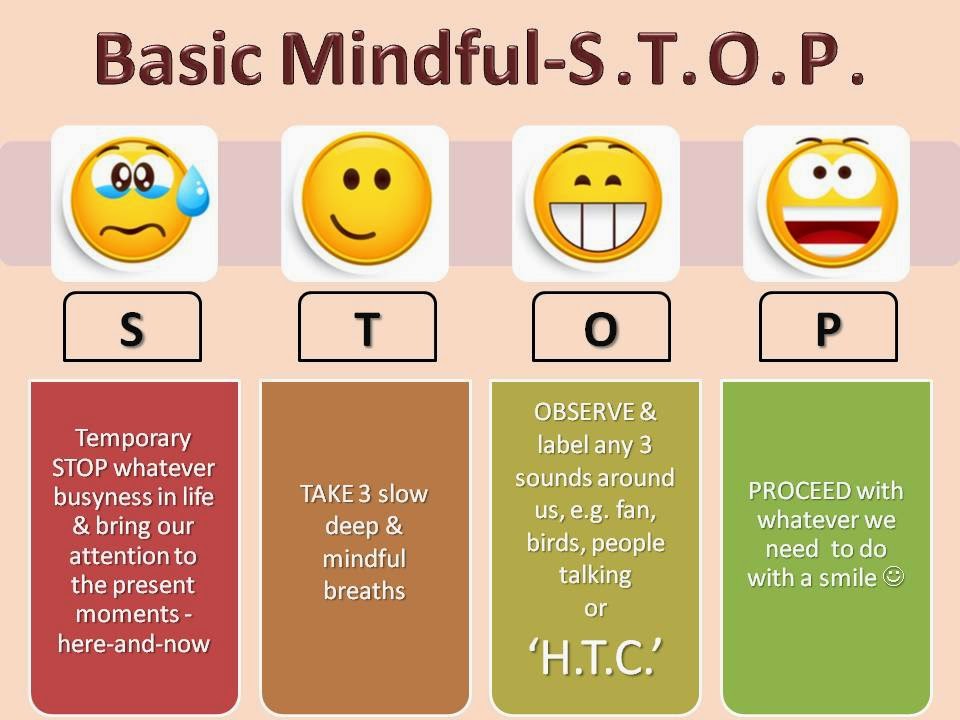
S - Stop what you are doing.
T - Take a breath.
O - Observe your body, emotions, and thoughts without judgment.
P - Proceed with more awareness.
Your Journey Starts Now

Mindfulness meditation is a lifelong journey, not a destination. There is no "final
level" of calmness to achieve. It’s a compassionate, moment-to-moment practice
of returning to your inner self.
Your assignment isn’t to become a meditation master. It’s to try the 5-minute
breath practice just once today. Then maybe again tomorrow.
Be incredibly compassionate to yourself. You are learning a new skill that foster
a deeper understanding of yourself. Every time you gently guide your
attention back, you are building a sanctuary of calm within yourself—one that you
can access anytime, anywhere.
You just don’t need more life; you just need more understanding of life. And
that can start with a single breath.
Feature Post
Popular Post
Browse Category