- August 8, 2025
- 7:33 pm

Parenting is a journey that brings both joy and challenges, but raising children
with special needs brings unique experiences, emotions, and growth opportunities
that are particularly different for parents. This guide offers practical insights,
emotional support, and actionable strategies for parents involved in the challenging
yet rewarding journey of raising a child with special needs.
Understanding Special Needs: what are they?

The term special needs cover a broad range of neuro developmental,
physical, emotional, behavioural, and learning disabilities. These may include
conditions such as autism spectrum disorder (ASD), Down syndrome, ADHD, learning
disabilities, cerebral palsy, sensory processing disorders, and more. Every child is
unique, and every family’s journey is different. What unites families in this community
is a deep commitment to help their children thrive, develop independence, and
feel loved for exactly who they are.
The Importance of Early Intervention
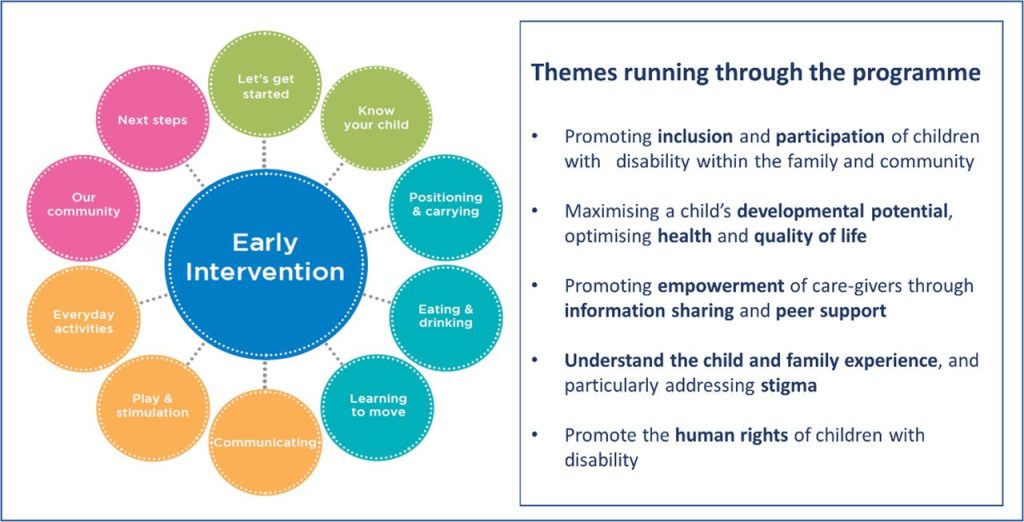
Early intervention is essential. From the moment we notice developmental
delays or differences, seeking evaluations and support can make a significant
difference in our child’s progress. Early diagnosis allows therapies and
educational strategies tailored to our child’s unique needs. Some key benefits of
early intervention include:
Promoting communication and social skills
Building independence in daily activities
Supporting academic achievement and cognitive development
Addressing behavioural and emotional challenges early on
Remember: It’s never too late to seek help. If we notice potential signs, we should
immediately consult paediatricians, developmental specialists, or local early
intervention programs.
Crossing the Emotional Landscape

Caring for a child with special needs often brings a spectrum of emotions: love
and pride, but also worry, grief, guilt, or isolation. All feelings are genuine. Here’s how
parents can pass through this emotional landscape:
1)Seek Community support: Joining local or online support groups connects you
to others who understand your journey. Sharing experiences, advice, and positive
outcomes can be profoundly encouraging.
2)Acknowledge Your Feelings: Allowing space for both difficult and joyful
emotions, Journaling or talking with a therapist can help process your thoughts.
3)Celebrate Progress over Perfection: Focus on milestones—big or small. Every
achievement deserves recognition.
4)Prioritize Self-Care: Caring for yourself is not selfish; it allows you to better care
for your child.
5)Advocating for Your Child: Children with special needs require advocates both
inside and outside the classroom. Parental advocacy is key to unlocking
opportunities and resources for your child.
Educational Advocacy:

Know Your Rights: Familiarize yourself with educational laws, such as the
Individuals with Disabilities Education Act (IDEA), Individualized Education Programs
(IEPs), and other laws. These ensure your child receives equal access to appropriate
education and opportunities.
Build Partnerships: Work closely with teachers, therapists, and school
administrators. Maintain open communication and attend school meetings
to discuss your child’s needs.
Document Everything: Keep records of evaluations, reports, correspondence,
and progress reports for reference during planning and meetings.
Beyond School:

Explore Extra-Curriculars: Explore their abilities. Many children with special needs
flourish in arts, sports, or social programs designed for their interests and abilities.
Utilize Community Resources: Take help from government or charitable
organisations, therapy centres, family support organizations, and local events.
Plan for the Future: Research legal guardianship, transition programs, and
financial planning resources for long-term care.
Building a Support System

No family should feel alone. Assemble a network of family, friends, educators,
therapists, and medical professionals for guidance and practical support.
Family Involvement: Educate siblings and extended family about your child’s
needs. Open conversations foster understanding and solidarity.
Build friendship: Encourage playmates or activities with other children with or
without special needs. Building friendships is crucial for social development.
Therapeutic Partnerships: Work with speech, occupational, physical, or
behavioural therapists as needed, and maintain regular evaluations of your child’s
evolving needs.
Embracing Inclusivity and Advocacy in Society

Disability inclusion matters—at school, in playgrounds, and within communities. As
a parent, you can help ignite change:
Educate Others: Share resources, correct misconceptions, and champion
inclusion.
Model Acceptance: Treat every child with respect and empathy, modelling this for
your child and others.
Promote Awareness: Get involved in local advocacy events, awareness campaigns, and parent committees.
Tips for Meaningful Daily Routines
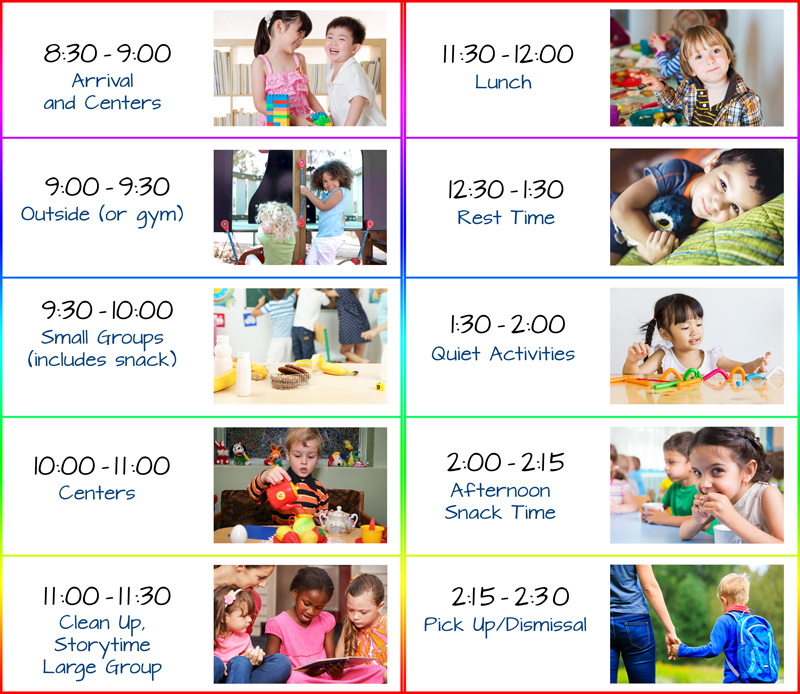
Consistency and Structure: Children with special needs often thrive with
predictable routines. Visual schedules or timers can help manage transitions.
Communication Strategies: Use visual aids, sign language, or assistive
technology to enhance understanding.
Encourage Independence: Break tasks into smaller steps and use praise to
motivate attempts at self-care.
Celebrate Strengths: Focus on your child’s unique talents and interests.
Encourage activities that let their personality shine.
Self-Care for Parents: Recharging Your Battery

Caring for a child with special needs can be physically and emotionally
demanding. Make time to recharge:
Take regular breaks, even short ones.
Connect with others through support groups or parent networks.
Engage in hobbies, exercise, or relaxation techniques.
Seek professional guidance when overwhelmed.
Frequently Asked Questions
Q: How do I explain my child’s differences to other children or Adults?
A: We can tell them in simple gentle terms like “everybody is different. Some people
are good at studies while some are good at sports. My child is different because
his brain works differently. He may take longer time than others or do work in a
different way but he loves everybody and wants to play with all.”
Q: How can I help siblings understand and bond with their brother or sister?
A: Involve siblings in joint activities. Teach them about their sibling’s needs and
uniqueness, and ensure they also get quality time and support.
Q: What should I do if I feel I can’t cope?
A: We should Reach out for help—talk to our doctor or professional counsellors,
connect with local social services, or join a support network. Remember, we are not
alone, and support is always available.
Final Thoughts: Hope and Possibility

Raising children with special needs is challenging but also deeply rewarding. Our
advocacy, love, and patience can help shape a compassionate, inclusive world—
not just for our child, but others as well. We should celebrate every milestone, seek
out resources, and above all, believe in our child’s potential. The road may be tough
but with struggle and planning we can reach our destination.
Feature Post
Popular Post
Browse Category